As artificial intelligence (AI) continues to evolve rapidly, its implications for daily life are becoming increasingly profound. By 2026, many AI trends are expected to reshape various aspects of our routines, from personal productivity to health care, significantly impacting how we interact with technology and each other.
AI in Personal Productivity
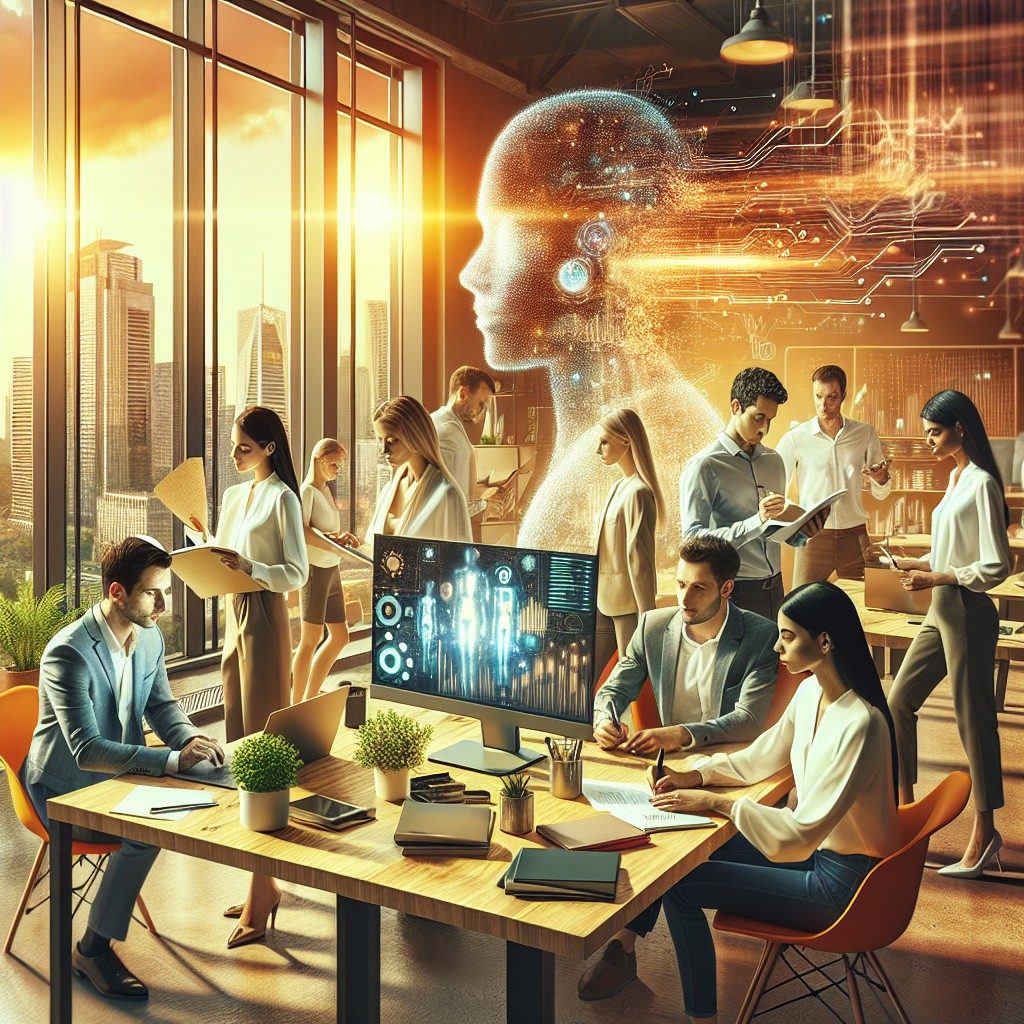
AI is anticipated to enhance personal productivity through advanced digital assistants capable of understanding and anticipating user needs. These intelligent systems will integrate seamlessly into everyday activities, from managing schedules to automating routine tasks. Companies like Microsoft and Google are already investing heavily in AI technologies, aiming to create tools that facilitate smoother workflows and optimize time management. Users will likely enjoy personalized experiences as AI learns from individual behaviors, making it easier to prioritize tasks in a more efficient manner.
Transformations in Healthcare
The healthcare sector will be markedly transformed by AI trends, particularly in diagnostics and patient care. AI algorithms are expected to enhance diagnostic accuracy, reducing the likelihood of misdiagnosis and improving treatment outcomes. According to a report by the World Health Organization, AI can analyze vast amounts of medical data more rapidly than human clinicians, leading to quicker identification of diseases such as cancer and heart disease. Additionally, AI-driven tools will offer patients more personalized treatment plans by taking into account genetic information and lifestyle choices, thus setting a new standard for individualized health care.
Transportation and Smart Cities
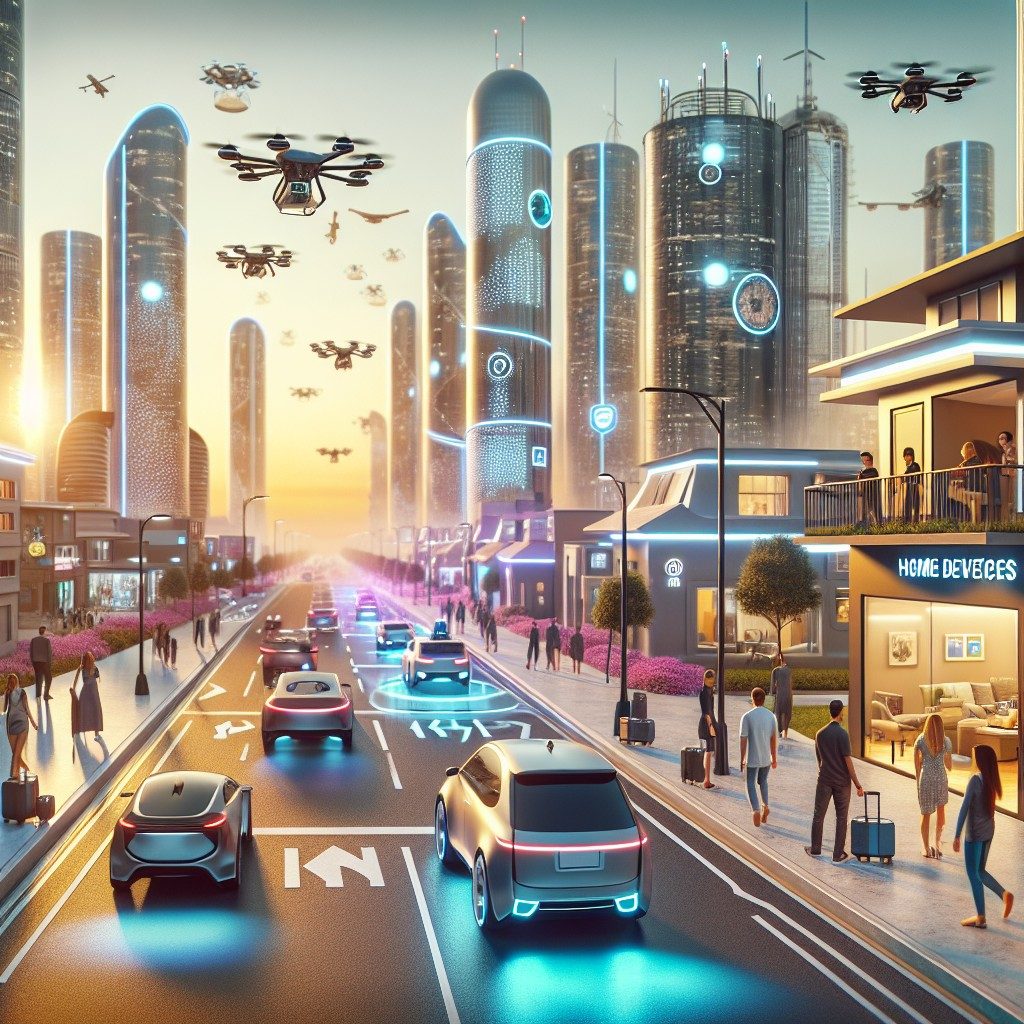
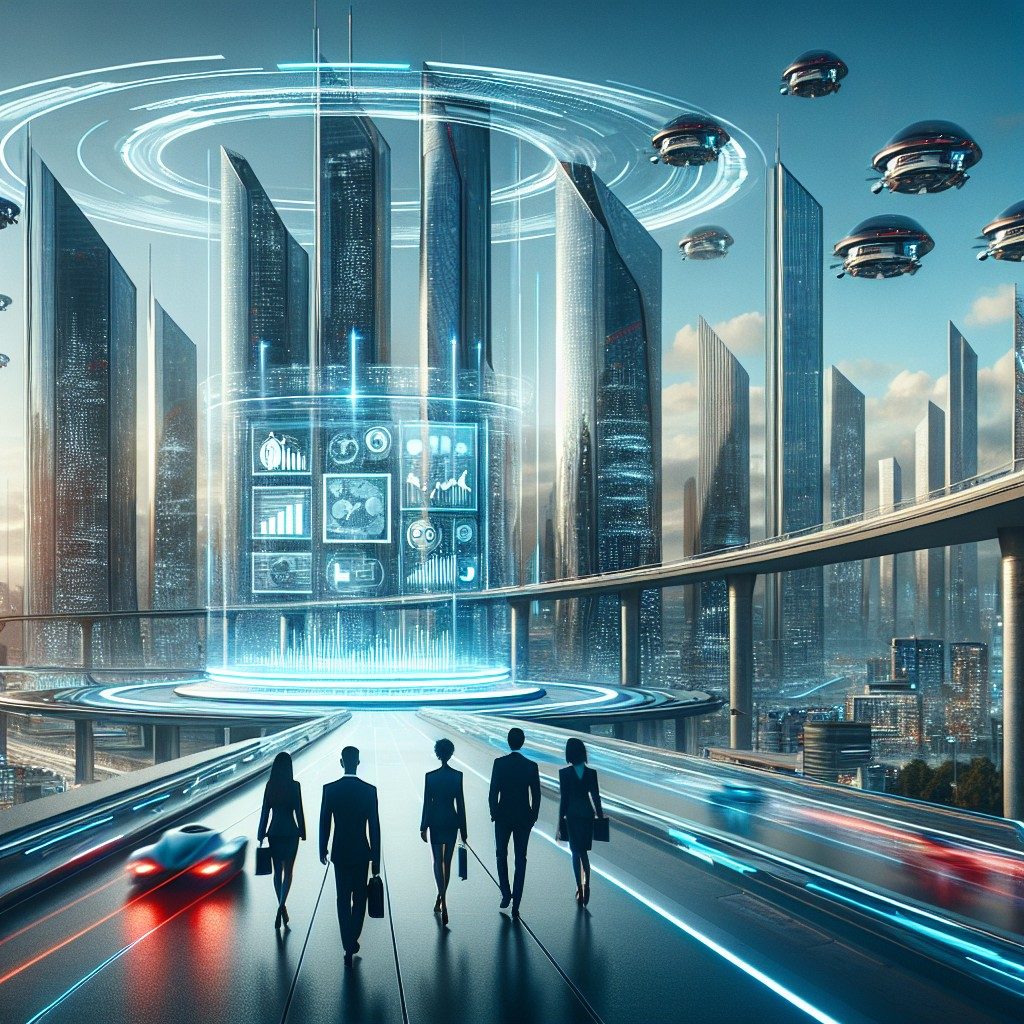
In urban environments, AI trends are set to revolutionize transportation and smart city initiatives. The rise of autonomous vehicles and AI-powered traffic management systems will likely increase the efficiency of urban mobility, reducing congestion and emissions. Cities worldwide are already piloting AI applications in public transport systems, aiming to enhance the reliability of services through real-time data analysis. Moreover, AI will contribute to developing smarter infrastructures that can adapt to the needs of the population, creating a more sustainable urban ecosystem. Recent studies underscore how critical these advancements are as cities grapple with increasing populations and resource management challenges.
Frequently Asked Questions about AI Trends
What are the primary AI trends expected in 2026?
Key AI trends expected in 2026 include enhanced personal productivity tools, advancements in healthcare diagnostics, and significant transformations in urban transportation systems.
How will AI impacts daily personal productivity?
AI will simplify daily tasks by creating more intuitive digital assistants that learn individual preferences, thus improving time management and efficiency throughout the day.
What role will AI play in healthcare by 2026?
AI is expected to improve diagnostic capabilities and personalize treatment plans based on a patient’s unique health data, transforming traditional approaches to healthcare.
How are cities preparing for AI trends in transportation?
Cities are adopting AI technologies to streamline public transport and develop smart infrastructures that alleviate traffic congestion and improve safety.
Where can I find more information on AI trends?
For more insights on AI trends, you may explore authoritative publications that focus on technology advancements and future predictions.