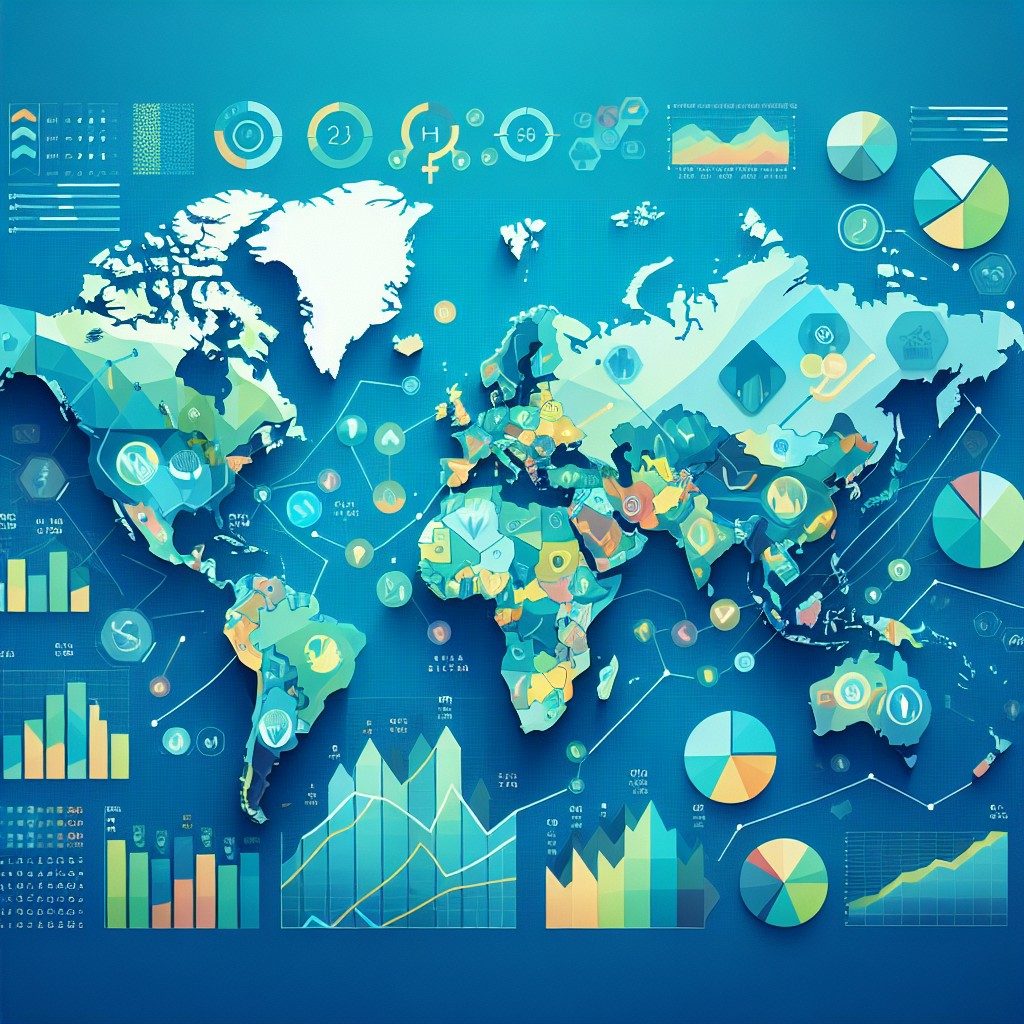
Economic indicators serve as essential tools for understanding the health and direction of economies worldwide. They provide concrete data points to measure economic performance, influencing decisions by policymakers, investors, and businesses. This article breaks down the most important global economic indicators in clear and straightforward terms.
What Are Economic Indicators?
Economic indicators are statistics that reflect the overall economic activity and trends of a country or region. They can depict growth patterns, employment levels, inflation rates, and trade balances. By analyzing these numbers, experts can assess whether an economy is expanding, contracting, or stable.
Key Global Economic Indicators to Know
Among the numerous economic indicators available, a few stand out for their broad relevance and frequent use. Gross Domestic Product (GDP) measures the total value of goods and services produced in a country, serving as a primary gauge of economic performance. Inflation rates reveal how prices change over time, impacting purchasing power and monetary policy. Unemployment rates provide insights into job market health, while trade balances show the gap between exports and imports.
Interpreting Economic Indicators in Today’s Context
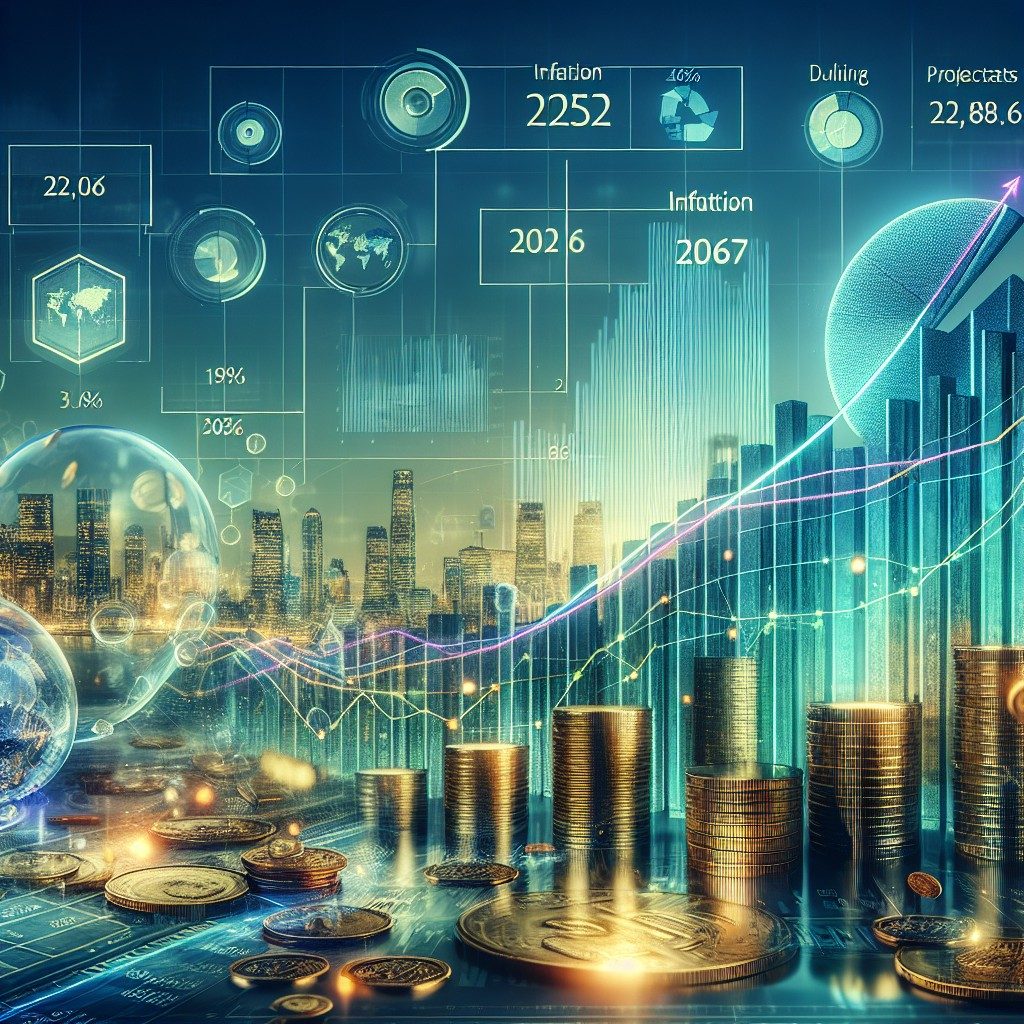
The interpretation of economic indicators has become increasingly important amid recent global challenges such as supply chain disruptions, geopolitical tensions, and fluctuating commodity prices. For instance, a rising inflation rate across many nations has prompted central banks to adjust interest rates, influencing borrowing costs worldwide. Monitoring these indicators enables governments and businesses to react appropriately to evolving economic conditions.
Sources and Reliability of Economic Indicators
Reliable economic indicators typically come from official institutions such as national statistics offices, central banks, and international organizations. The economic indicators provided by these bodies undergo rigorous data collection and verification processes. However, it is crucial to consider the context, data collection methods, and periodic revisions when analyzing these figures.
The Role of Economic Indicators in Decision-Making
Businesses use economic indicators to guide investment strategies and operational planning, while policymakers rely on them to craft fiscal and monetary policies. Investors also track these numbers to predict market trends and adjust portfolios accordingly. Recognizing the significance of these indicators helps stakeholders make informed choices in uncertain economic environments.
Conclusion
Understanding economic indicators is vital for grasping the current state and future trajectory of global economies. As challenges persist and conditions evolve, these data points remain indispensable for assessing economic health. Continued attention to credible economic indicators will support better decision-making and adaptation in a complex world economy.
Frequently Asked Questions about economic indicators
What are economic indicators and why are they important?
Economic indicators are statistical measures that reflect the economic performance of a country or region. They are important because they provide insights into growth, inflation, employment, and trade, helping stakeholders make informed decisions.
Which economic indicators have the greatest global impact?
GDP, inflation rates, unemployment rates, and trade balances are among the economic indicators with the largest global significance, as they influence economic policies and market trends worldwide.
Where can I find reliable economic indicators data?
Reliable economic indicators data can be sourced from official institutions such as the International Monetary Fund (IMF), World Bank, national statistical agencies, and central banks.
How do economic indicators affect financial markets?
Economic indicators influence investor sentiment and expectations, affecting stock prices, bond yields, and currency values as markets react to economic performance signals.
Can economic indicators predict future economic conditions?
While economic indicators provide valuable information about current and past economic conditions, some, known as leading indicators, can offer clues about potential future trends, though predictions are not guaranteed.